Bertaji: A Handwritten Font That Adds Sweetness to Craft and Product Design
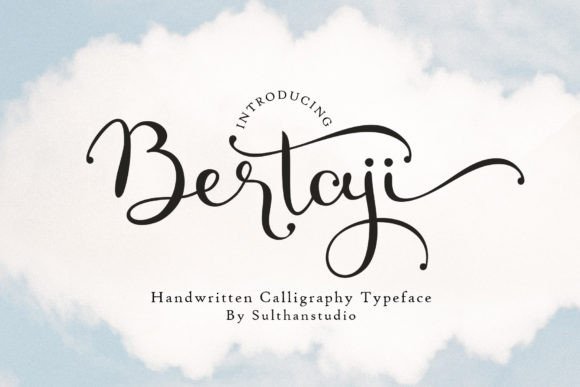
As a crafter and small shop owner, I'm always on the hunt for fonts that bring both personality and professionalism to my creations. Bertaji is one of those rare finds—a handwritten font that feels both eccentric and elegant, with a soft touch that makes every letter feel like a warm hug. Whether you're designing labels, invitations, or SVG templates, Bertaji has a charm that makes your work stand out without overwhelming the design.
Bertaji falls into the Script Amp category, which means it's expressive and fluid, but with a bit more structure than a freeform script. It’s not just a pretty face—it's built for real-world use. I’ve used it for boutique tags, candle labels, and even wedding welcome boards, and every time it brings a sense of whimsy and warmth that customers respond to. It's the kind of font that feels handmade, even when it's digitally produced.
Perfect for Labels, Tags, and Packaging That Speaks to the Heart
When you're selling handmade goods, product presentation matters. Bertaji’s soft curves and flowing lines give a sense of care and authenticity. I use it often for small batch product labels—like on jam jars or soap packaging—where a clean, readable font would feel too clinical. With Bertaji, even a simple label becomes part of the product’s story.
It’s also ideal for tags and hangtags on clothing or tote bags. The font’s eccentric style adds a playful edge that’s perfect for boutique-style branding. Since it's a handwritten font, it pairs beautifully with more structured sans serif fonts for a balanced, modern look. For example, I use Bertaji for the product name and a clean sans serif for the description, which helps guide the eye and create visual hierarchy.
Weddings, Invitations, and Stationery That Feels Personal
One of my favorite uses for Bertaji is in wedding stationery. From save-the-dates to place cards, this font adds a touch of romance and intimacy. It works especially well for names and titles—like “Mr. & Mrs. Smith” or “You’re Invited”—where a bit of flair enhances the emotional impact.
Bertaji is also great for greeting cards and planner pages. Its softness makes it feel personal, like it was written just for the recipient. I’ve even used it in digital printables for Etsy, like gratitude journals and monthly planners. Just make sure to keep the font size readable—Bertaji shines best in titles and short phrases rather than long paragraphs.
Wall Art, Signs, and Seasonal Crafts That Capture Attention
For wall art and farmhouse signs, Bertaji’s handwritten style adds character and charm. I’ve used it in Cricut and Silhouette projects for quotes like “Home Sweet Home” or “Live Laugh Love,” and the results are always warm and inviting. Because of its eccentric style, it works especially well in rustic or shabby chic designs where a bit of whimsy feels right at home.
Seasonal crafts are another sweet spot for Bertaji. Think holiday greeting cards, pumpkin sign tags, or Easter egg labels. The font’s softness makes it easy to pair with bolder elements like floral borders or hand-drawn illustrations. And because it’s a premium font, it maintains clarity even when resized for small stickers or vinyl cuts.
Pairing Bertaji with Other Fonts for Balanced Design
One of the best things about Bertaji is how well it plays with others. Since it's a decorative handwritten font, pairing it with a clean sans serif or a simple serif typeface helps maintain readability while adding visual interest. For example, using Bertaji for a product name and Roboto or Lato for the details creates a modern contrast that works well in packaging and digital design.
If you're going for a bolder look—like on a t-shirt or tote bag—pair Bertaji with a bold script or a retro-style font. This creates a layered, expressive design that still feels cohesive. Bertaji’s eccentric style means it can stand on its own, but thoughtful font pairing can elevate your design from cute to classy.
What to Know About Bertaji’s Features and Licensing
Before diving into your next project, it’s worth checking what Bertaji includes. Many modern handwritten fonts come with alternates, ligatures, and swashes that let you customize the look. If Bertaji offers those, they can be a game-changer for making your text feel more organic and less “font-like.”
Also, make sure Bertaji includes file formats like OTF and TTF, which are compatible with most design software. Multilingual support is a bonus if you're creating products for international customers or selling in multiple markets.
And don’t forget about licensing. If you’re using Bertaji in commercial projects—like selling SVG files, printables, or physical products—check that it includes a commercial license. Most premium fonts do, but it’s always good to confirm before listing your designs for sale.
Final Touches: Making Bertaji Work for You
When it comes to crafting and product design, the right font can make all the difference. Bertaji isn’t just another script font—it’s a creative tool that adds emotional depth and visual appeal to your work. Whether you're printing labels, designing invitations, or cutting vinyl signs, Bertaji brings a sweet, handmade charm that customers notice.
Use it where personality matters most—like in brand names, product titles, or heartfelt messages—and pair it with cleaner fonts for balance. Keep readability in mind for small prints, and always double-check licensing and features before launching your product. Once you start using Bertaji, you’ll find yourself reaching for it again and again—because sometimes, the sweetest fonts make the strongest impression.